Lab-Grown vs Natural Diamonds: Differences Explained

Nadia Fenwick
October 21, 2026 · 4 min read · 690 words

Lab-grown and natural diamonds look alike, and both are real diamonds. The key differences are where they come from, how they are…
Lab-grown and natural diamonds look alike, and both are real diamonds. The key differences are where they come from, how they are priced and how buyers value them. This guide explains what separates the two so you can choose with clear information.
What is a natural diamond?
Natural diamonds form deep in the earth over very long periods under high pressure and temperature, and are later brought to the surface by geological processes and mined. Each one is a product of nature and is graded for cut, colour, clarity and carat weight.
What is a lab-grown diamond?
A lab-grown diamond is created in a controlled environment using technology that replicates the conditions under which diamonds form. Two common methods are high pressure high temperature (HPHT) and chemical vapour deposition (CVD). The result is a crystal of carbon with the same crystal structure as a natural diamond.
Kohinoor Gems Recommendation
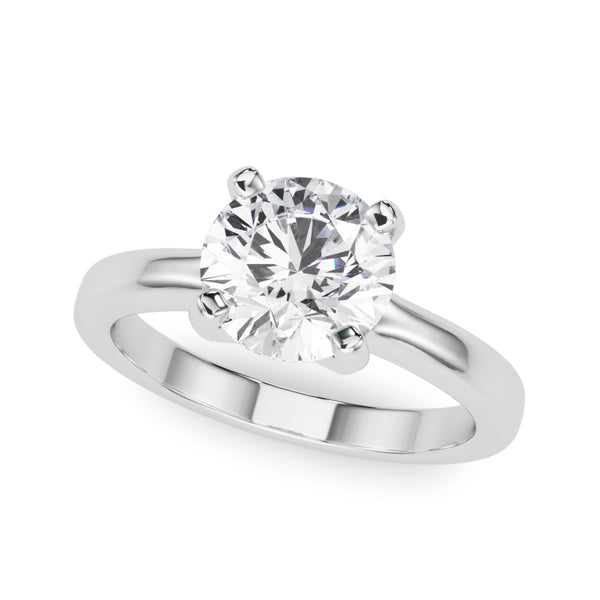
Explore this piece in the Kohinoor Gems store — lab-grown diamonds, free shipping over $250 and code WELCOME10 for 10% off your first order.
View in StoreAre they both real diamonds?
Yes. Lab-grown diamonds have the same basic chemical composition, crystal structure and hardness as natural diamonds. In the United States, the Federal Trade Commission's guidance allows the word diamond to be used for lab-grown stones as long as the origin is clearly disclosed, such as lab-grown or laboratory-created. Rules in other countries differ, so check the labelling requirements in your market.
How do they look?
To the naked eye, a well-cut lab-grown diamond and a well-cut natural diamond look very similar. The differences are found in the details of how they formed, which can be identified by specialist laboratory equipment rather than by eye. Appearance depends mainly on cut, colour and clarity, whichever type you choose.
How do prices compare?
Lab-grown diamonds are generally priced lower than natural diamonds of a similar size and quality, and the difference can be significant. This can allow a buyer to choose a larger stone or higher grades within the same budget. Prices for both types change over time, so compare current listings rather than relying on past figures.
What about resale value?
This is where the two differ most. Natural diamonds have traditionally held more value on the secondary market, although resale prices are usually well below the original retail price. Lab-grown diamond prices have been falling as production grows, and resale values are generally lower. If long-term resale value is important to you, ask the seller what buyback or trade-in options exist and read the terms carefully. Most people buy a ring for meaning and wear rather than as an investment.
Origin and ethics
Many buyers choose lab-grown diamonds because they like knowing exactly how and where the stone was made. Others prefer natural diamonds for their geological origin and rarity. Both industries have environmental and social impacts, and claims vary between producers. If sustainability matters to you, ask for specific, verifiable information instead of general statements.
Certification
Reputable laboratories grade both types using the 4Cs. A report for a lab-grown diamond should clearly state that it is laboratory-grown. Always confirm that the report matches the diamond and that the seller identifies the type correctly. Our guide to diamond certification explains what to look for.
Which should you choose?
Consider these questions:
- Is the budget the priority? Lab-grown typically offers more size or quality for the money.
- Is rarity or natural origin important to you? A natural diamond may feel more meaningful.
- Do you care about resale or trade-in value? Natural diamonds have traditionally performed better, though neither is guaranteed.
- Will the stone be worn every day? Both are very hard and suited to daily wear, with the usual care for the setting and metal.
Choosing with confidence
Whichever you pick, buy from a seller who labels the diamond type clearly, supplies an independent report and explains returns and warranty terms. To compare options, browse our diamond jewellery collection.
Frequently Asked Questions
Answers from the Kohinoor Gems gemology desk.
Can a jeweller tell the difference by eye?
Not reliably. Specialist equipment is used to identify origin.
Are lab-grown diamonds the same as moissanite or cubic zirconia?
No. Lab-grown diamonds are diamonds. Moissanite and cubic zirconia are different materials.
Do lab-grown diamonds get graded?
Yes, using the same characteristics as natural diamonds.