Gold-Plated vs Solid Gold Jewellery

Amelie Krueger
October 27, 2026 · 4 min read · 876 words
Jewellery described as gold can mean very different things. Some pieces are gold all the way through, and others have only a thin…
Jewellery described as gold can mean very different things. Some pieces are gold all the way through, and others have only a thin layer of gold over another metal. Knowing the difference helps you judge value, durability and what to expect from a piece. This guide explains the terms and what they mean for you.
What is solid gold?
Solid gold jewellery is made from a gold alloy throughout, not just on the surface. The purity is described in karats, such as 10K, 14K or 18K. Because pure gold is soft, it is alloyed with other metals for strength. Our guide to 10K, 14K and 18K gold explains the differences. Solid gold keeps its colour and value, and can be polished and repaired.
What is gold plating?
Gold plating is a very thin layer of gold applied over a base metal, such as brass, copper or sterling silver. The layer is often only a tiny fraction of a millimetre thick. It gives the look of gold at a lower price, but the layer can wear away with use, revealing the metal beneath.
Kohinoor Gems Recommendation
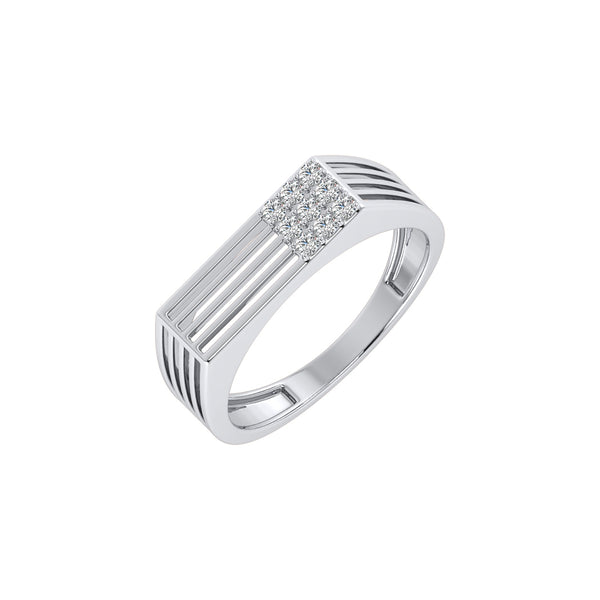
Explore this piece in the Kohinoor Gems store — lab-grown diamonds, free shipping over $250 and code WELCOME10 for 10% off your first order.
View in StoreWhat about gold-filled and vermeil?
These terms are sometimes confused with plating, but they have their own meanings, and rules differ by country.
- Gold-filled: a thicker layer of gold is bonded to a base metal under heat and pressure. In the United States, standards typically require a minimum proportion of gold by weight. It is more durable than plating.
- Vermeil: a layer of gold over a sterling silver base. In the United States, standards for vermeil typically require a minimum gold purity and a minimum layer thickness.
Check the standards that apply in your own market, and ask the seller what the terms mean for the specific piece.
Durability and wear
Solid gold: it can last for generations with care. Scratches can be polished, and the metal does not wear away in the way plating does.
Gold plating: the layer can rub off, particularly on items that touch skin and surfaces often, such as rings and bracelets. Earrings and pendants wear more slowly. Once the plating has worn through, the piece usually needs to be replated.
Gold-filled and vermeil: more durable than plating, but still limited by the thickness of the gold layer.
Skin reactions
Some people react to the base metals beneath gold plating, such as nickel in certain alloys. If you have sensitive skin, ask what the base metal is and look for nickel-free options. Solid gold in higher karats usually contains fewer reactive metals, but lower-karat gold has more alloy, so check the specific alloy.
Price
Gold-plated jewellery costs much less, because it contains very little gold. Solid gold costs more because its price depends on the weight and purity of the gold. Prices change with the gold market. A very low price for something described as gold is a sign that it is probably plated or very light.
Resizing and repair
Solid gold rings can usually be resized, repaired and polished. Plated pieces are harder to alter, as resizing and soldering can damage the plating. Repairs may need the piece to be replated.
Diamonds and plating
Fine diamond jewellery is normally set in solid gold or platinum, because the setting needs to be strong and durable enough to hold the stones securely. Be cautious if a piece with diamonds is made from plated metal, and ask exactly what the base metal is and how the stones are held. Our guide to buying diamond jewellery online covers what a good listing should include.
How to read a listing
Look for clear information.
- Karat or purity: such as 14K or 18K for solid gold.
- Description of the construction: solid, plated, filled or vermeil.
- Base metal: especially for plated pieces.
- Stamps: gold pieces are often stamped with a purity mark, such as 585 for 14K or 750 for 18K. A stamp is a clue but not proof by itself.
Be wary of vague phrases such as gold tone or gold finish, which do not tell you what the piece is made from.
When is plating a reasonable choice?
Plated jewellery can be a sensible choice for fashion pieces, trends or occasional wear, where the cost matters more than longevity. It is less suitable for an engagement ring, a wedding band or anything you plan to wear every day for years.
Caring for plated pieces
Avoid harsh chemicals and abrasives, remove plated jewellery before swimming or exercise, and store it separately. Clean gently with a soft cloth. Our guide to caring for gold and diamond jewellery explains general care.
How to decide
Choose solid gold if you want:
- Jewellery that lasts and can be repaired
- Something to wear every day
- A piece that keeps its value better
Choose plated or vermeil if you want:
- A lower price for fashion jewellery
- A piece for occasional wear
Compare in practice
To see solid gold pieces with clear specifications, browse our gold jewellery.
Frequently Asked Questions
Answers from the Kohinoor Gems gemology desk.
Does gold plating wear off?
Yes, over time, particularly on pieces worn often.
Is gold-filled the same as solid gold?
No. It is a layer of gold bonded to a base metal.
Can plated jewellery be resized?
It is difficult and may damage the plating.


