Diamond vs Moissanite: Key Differences for Buyers

Lena Vogt
October 26, 2026 · 4 min read · 796 words

Moissanite is a popular alternative to diamond, and it is often compared with it because it can look similar at first glance. The…
Moissanite is a popular alternative to diamond, and it is often compared with it because it can look similar at first glance. They are different materials, though, with different properties and prices. This guide explains the differences so you can choose with a clear picture.
What is moissanite?
Moissanite is a gemstone made of silicon carbide. It was first discovered in tiny amounts in a meteorite crater, but natural moissanite is extremely rare. The moissanite used in jewellery is created in a laboratory. Diamond, by contrast, is made of carbon. They are not the same material, even though lab-grown diamonds and moissanite are both created in labs.
Appearance
Both stones can look beautiful. The difference lies in how they handle light.
- Diamond: known for a combination of brilliance, which is white light, and fire, which is flashes of colour, with a balanced look.
- Moissanite: has a higher level of fire than diamond, which can produce stronger flashes of rainbow colour. Some people love this effect, and others find it less like a traditional diamond.
Some moissanite can show a slight tint in certain lights, such as a faint yellow or green, particularly in lower colour grades. Look at video and compare in different lighting.
Kohinoor Gems Recommendation
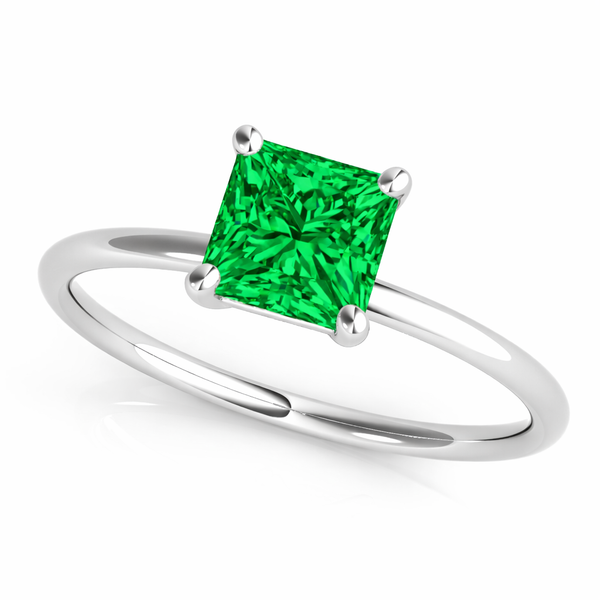
Explore this piece in the Kohinoor Gems store — lab-grown diamonds, free shipping over $250 and code WELCOME10 for 10% off your first order.
View in StoreHardness and durability
Diamond is the hardest known natural material and ranks 10 on the Mohs scale. Moissanite is also very hard, at around 9.25, and is suitable for daily wear. Both resist scratching well. Diamond is harder, but both can be used in rings. As with any stone, a hard knock can cause damage, and the setting should be checked regularly.
Price
Moissanite is generally priced well below diamond of a similar size. This is one of the main reasons buyers choose it. It can offer a larger-looking stone for a much lower cost. Compare current listings, because prices vary by size and quality.
Size and weight
Moissanite is typically sold by its dimensions in millimetres, not by carat weight alone, because it is slightly lighter than diamond for the same size. If you are comparing a moissanite and a diamond, compare the millimetre size, not just the carat figure. Our carat size guide explains the difference between weight and visual size.
Grading and certification
Diamonds are graded using the 4Cs by independent laboratories, and the grades have a strong influence on price. Moissanite is not graded in the same way, though sellers may describe the colour and clarity. If you buy moissanite, ask the seller for clear details and what documentation comes with it.
Resale value
Diamonds, particularly natural ones, have an established secondary market, though resale prices are generally below the retail price. Moissanite has a much smaller resale market and generally holds little resale value. If resale or trade-in matters to you, ask about the seller's terms. Our guide to resale value explains what to expect.
Testing and identification
A standard diamond tester that measures heat conduction can mistake moissanite for diamond, because both conduct heat well. Testers that measure electrical conductivity can tell them apart. If you need to confirm what a stone is, ask a qualified jeweller or a gemological laboratory.
Meaning and values
Some buyers choose moissanite because it is created in a lab and is more affordable, and they like the idea of putting the savings toward something else. Others prefer diamonds for their tradition and the value attached to them. Neither choice is wrong. Think about what the ring or jewellery means to you.
How it compares with a lab-grown diamond
Lab-grown diamonds are real diamonds, with the same chemistry, structure and hardness as natural ones, and they are generally cheaper than natural diamonds. Moissanite is a different stone and is usually cheaper still. Our guide to whether lab-grown diamonds are real explains this.
Which should you choose?
Choose diamond if you want:
- The traditional gemstone with an established grading system
- The hardest material
- A stone with more established resale value
Choose moissanite if you want:
- A lower price for a larger stone
- Strong fire and a different sparkle
- A stone created in a lab
Questions to ask the seller
- Is the stone a diamond, a lab-grown diamond or moissanite, and is it clearly labelled?
- What are the dimensions, colour and clarity?
- What documentation is provided?
- What are the return and warranty policies?
Explore your options
If you are comparing stones, browse our diamond jewellery and check the details on each product.
Frequently Asked Questions
Answers from the Kohinoor Gems gemology desk.
Is moissanite a fake diamond?
No. It is a different gemstone, not a diamond.
Does moissanite sparkle more than diamond?
It shows more rainbow fire, which some people like and others do not.
Can moissanite be worn every day?
Yes. It is very hard and suited to daily wear.