Diamond vs Cubic Zirconia: How Do They Compare?

Oliver Brandt
October 26, 2026 · 5 min read · 885 words

Cubic zirconia, often shortened to CZ, is a lab-created stone that is sometimes used as a lower-cost lookalike for diamond. The t…
Cubic zirconia, often shortened to CZ, is a lab-created stone that is sometimes used as a lower-cost lookalike for diamond. The two are very different materials with very different values. This guide explains how they compare, so that you know what you are buying.
What is cubic zirconia?
Cubic zirconia is a synthetic crystal made of zirconium dioxide. It is produced in a laboratory and is widely used in fashion jewellery. It is a diamond simulant, which means that it imitates the appearance of a diamond but is a different material. A lab-grown diamond, by contrast, is a real diamond with the same chemistry as a natural one. Our guide to whether lab-grown diamonds are real explains the difference.
Appearance
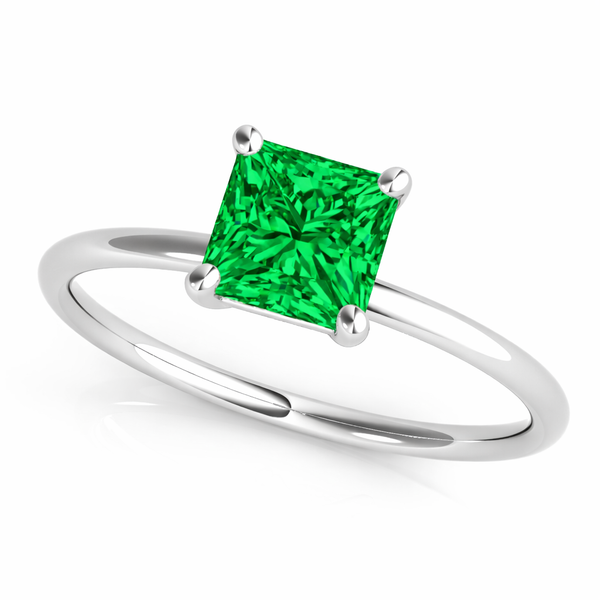
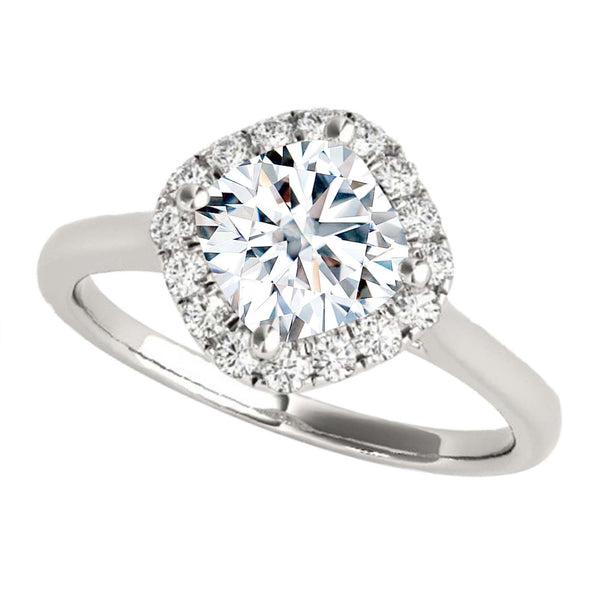
A new cubic zirconia can look very clear and bright. Its sparkle tends to show more flashes of colour than a diamond, which can look slightly different to a trained eye. Over time, CZ can become cloudy or scratched with wear, and its appearance can change. Diamonds keep their polish and brilliance for much longer when cared for.
Kohinoor Gems Recommendation
Explore this piece in the Kohinoor Gems store — lab-grown diamonds, free shipping over $250 and code WELCOME10 for 10% off your first order.
View in StoreHardness and durability
Diamond is the hardest known natural material and ranks 10 on the Mohs scale. Cubic zirconia ranks around 8 to 8.5, which is hard but noticeably softer. This means CZ is more likely to scratch, chip or become dull with daily wear, particularly in rings. For jewellery worn every day for years, diamond is much more durable.
Weight and size
Cubic zirconia is denser than diamond, so a CZ stone of a given size weighs more than a diamond of the same size. Because of this, stones are compared by their millimetre dimensions, not only by carat weight. If a seller lists a CZ by carat weight, remember that the stone will look smaller than a diamond with the same weight. Our carat size guide explains how weight and visual size differ.
Price
Cubic zirconia is much cheaper than diamond, often a tiny fraction of the cost of a diamond of the same size. This is its main appeal. It can be a sensible choice for fashion jewellery, placeholder rings or pieces that you will wear only occasionally.
Value and resale
Cubic zirconia has little or no resale value. A diamond, particularly a natural one with a grading report, generally keeps some value, though resale prices are below retail. If long-term value matters to you, CZ is not a suitable choice. Our guide to resale value explains what to expect for diamonds.
Grading
Diamonds are graded by independent laboratories on the 4Cs. Cubic zirconia is not graded in this way. Most CZ is made to be flawless and colourless, so the grades used for diamonds do not apply.
How can you tell them apart?
It can be hard to tell the difference by eye, and home tests are not reliable. Common ideas such as fog tests or looking through the stone have limits. A jeweller or gemological laboratory can identify a stone using proper equipment. A thermal tester used by many jewellers detects diamonds, because they conduct heat very well, and cubic zirconia does not, but a professional should interpret the results. If you need to confirm what a stone is, ask a qualified jeweller.
Honest labelling matters
A trustworthy seller will describe a stone clearly as cubic zirconia or CZ, and a diamond as a diamond. Be careful with vague terms such as diamond look, simulated diamond or brilliant stone, which do not make clear what the stone is. For diamonds, look for stated colour, clarity, cut and carat weight, and for significant stones, an independent report. Our guide to buying diamond jewellery online explains what a good listing includes.
Care
Cubic zirconia can be cleaned with warm water, mild soap and a soft brush. Avoid harsh chemicals and abrasives, and store it separately, since harder stones can scratch it. Because it is softer, CZ can dull with time, and may need replacing in a piece worn every day.
When might CZ be a reasonable choice?
- Fashion jewellery: where you want a sparkling look at a low price.
- Occasional wear: pieces you wear rarely.
- Travel jewellery: pieces you would rather not risk losing.
- A temporary placeholder: some people use a CZ ring while they choose a final diamond.
When is a diamond a better choice?
- An engagement ring or wedding band: where durability and meaning matter.
- Everyday jewellery: where hardness helps it last.
- Long-term value: where you want a stone with an established market.
How to decide
Think about how often you will wear the piece, what it means to you and what you want it to last. If you want a diamond but have a smaller budget, consider a lab-grown diamond, which is a real diamond and typically costs less than a natural one. Our guide to lab-grown versus natural diamonds compares them.
Explore your options
To see jewellery with clear specifications, browse our diamond jewellery collection.
Frequently Asked Questions
Answers from the Kohinoor Gems gemology desk.
Is cubic zirconia a real diamond?
No. It is a different material that imitates diamond.
Does cubic zirconia last?
It can wear, scratch and cloud over time, particularly in rings.
Is a lab-grown diamond the same as cubic zirconia?
No. A lab-grown diamond is a real diamond, and cubic zirconia is not.