Are Lab-Grown Diamonds Real Diamonds?

Emilia Schneider
October 24, 2026 · 4 min read · 765 words

Yes, lab-grown diamonds are real diamonds. They are made by people instead of being mined, but they have the same basic chemistry…
Yes, lab-grown diamonds are real diamonds. They are made by people instead of being mined, but they have the same basic chemistry and crystal structure as natural diamonds. This guide explains what that means, how they are made and what to check when buying one.
The short answer
A lab-grown diamond is a diamond. It is composed of carbon arranged in the same crystal structure as a natural diamond, and it has the same hardness. What differs is the origin: one formed in the earth over a very long time, the other was grown in a controlled environment over a period of weeks.
How are lab-grown diamonds made?
There are two main methods.
- High pressure high temperature (HPHT): a small diamond seed is placed in carbon and subjected to very high pressure and temperature, recreating the conditions in which natural diamonds form.
- Chemical vapour deposition (CVD): a diamond seed is placed in a chamber with carbon-rich gas. The gas is energised so that carbon atoms deposit on the seed and build up the diamond layer by layer.
After growth, the rough diamonds are cut and polished in a similar way to natural stones.
Kohinoor Gems Recommendation
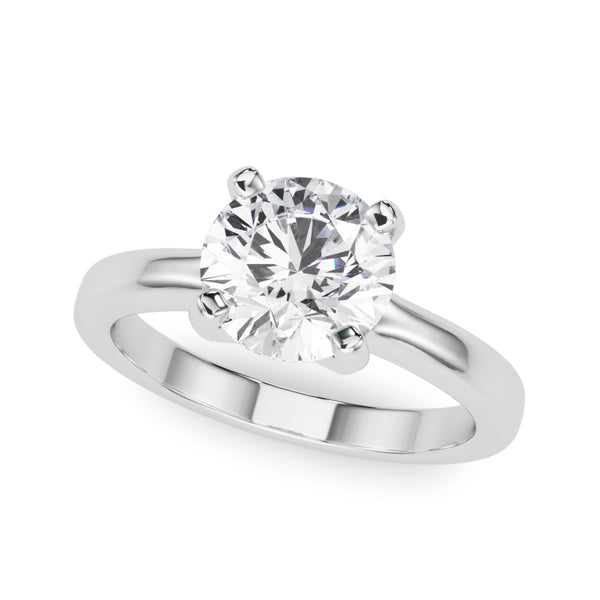
Explore this piece in the Kohinoor Gems store — lab-grown diamonds, free shipping over $250 and code WELCOME10 for 10% off your first order.
View in StoreAre they the same as fake diamonds?
No. Simulants such as cubic zirconia and moissanite look like diamonds but are different materials with different properties. A lab-grown diamond is the same material as a natural diamond. Our comparison of diamond with moissanite and cubic zirconia explains how the stones differ.
What do official guidelines say?
In the United States, the Federal Trade Commission's Jewelry Guides allow lab-grown stones to be described as diamonds as long as the product is clearly and conspicuously disclosed as laboratory-grown, laboratory-created or a similar term. Rules and standards differ in other countries, so look at the labelling requirements in your own market.
Can you tell the difference by eye?
Generally not. A well-cut lab-grown diamond and a well-cut natural diamond look very similar to the eye, even to many professionals. Gemological laboratories use specialised equipment to identify how a diamond was formed, and they typically note this on the grading report. This is also why it matters to buy from a seller who labels the stone clearly.
How are they graded?
Lab-grown diamonds are graded using the same characteristics as natural diamonds: cut, colour, clarity and carat weight. Independent laboratories issue reports for lab-grown stones that state they are laboratory-grown. When shopping, make sure the report number matches the stone and that the diamond type is stated.
How do the prices compare?
Lab-grown diamonds are usually priced lower than natural diamonds of comparable quality. This can allow a larger or higher-quality stone within the same budget. Prices for both can change over time, so compare current listings.
What about value over time?
Natural diamonds have traditionally held more resale value than lab-grown ones, although resale prices for both are typically lower than retail prices. If resale value matters to you, ask about buyback or trade-in terms and read them carefully. For many people, the main value of a ring is in wearing and enjoying it.
Durability
Lab-grown and natural diamonds rank 10 on the Mohs hardness scale, which makes them very resistant to scratching. They can still be chipped by a sharp knock, so the setting and everyday care still matter.
Is a lab-grown diamond right for you?
Think about your priorities.
- You want more size or quality for your budget.
- You like knowing exactly how a diamond was made.
- You do not need the stone to be of natural origin.
If a natural origin and rarity matter more to you, a natural diamond may be a better fit. Neither choice is better for everyone.
What to check when buying
- The seller states clearly that the diamond is lab-grown.
- The stone has an independent grading report.
- The report details match the diamond and the product listing.
- Return, warranty and resizing policies are clear.
- The metal type and purity are stated.
Learn more or start browsing
For a fuller comparison, read our guide to lab-grown versus natural diamonds. If you are ready to see options, browse our lab-grown diamond jewellery.
Frequently Asked Questions
Answers from the Kohinoor Gems gemology desk.
Are lab-grown diamonds as hard as natural diamonds?
Yes. Both are very hard and rank 10 on the Mohs scale.
Do lab-grown diamonds sparkle the same?
Sparkle depends mostly on the cut, not the origin.
Are lab-grown diamonds the same as synthetic diamonds?
Synthetic is another word that has been used for lab-grown diamonds. Some sellers prefer lab-grown, which is generally clearer to customers.