10K vs 14K vs 18K Gold: What Is the Difference?

Emilia Schneider
October 23, 2026 · 4 min read · 782 words
Gold jewellery is sold in different karats, and the number tells you how much pure gold is in the metal. Understanding the differ…
Gold jewellery is sold in different karats, and the number tells you how much pure gold is in the metal. Understanding the differences helps you choose between durability, colour and price. This guide explains 10K, 14K and 18K gold and how to read the stamps on your jewellery.
What does karat mean?
Karat measures the proportion of pure gold in an alloy, out of 24 parts. Pure gold, 24K, is very soft, so for jewellery it is mixed with other metals such as silver, copper and zinc to make it stronger. A higher karat means more pure gold.
- 24K: about 99.9 percent pure gold.
- 18K: 75 percent gold.
- 14K: about 58.5 percent gold.
- 10K: about 41.7 percent gold.
Karat is not the same as carat, which is a unit of weight used for diamonds and gemstones.
10K gold
10K gold contains the least gold of the three, so it is typically the most durable and the most affordable. It has a paler, less rich colour than higher karats. Because it contains more alloy metals, it can be more likely to cause a reaction in people who are sensitive to certain metals, such as nickel in some alloys. It is not used in all markets; for example, in the United Kingdom the lowest hallmarked gold standard is 9K.
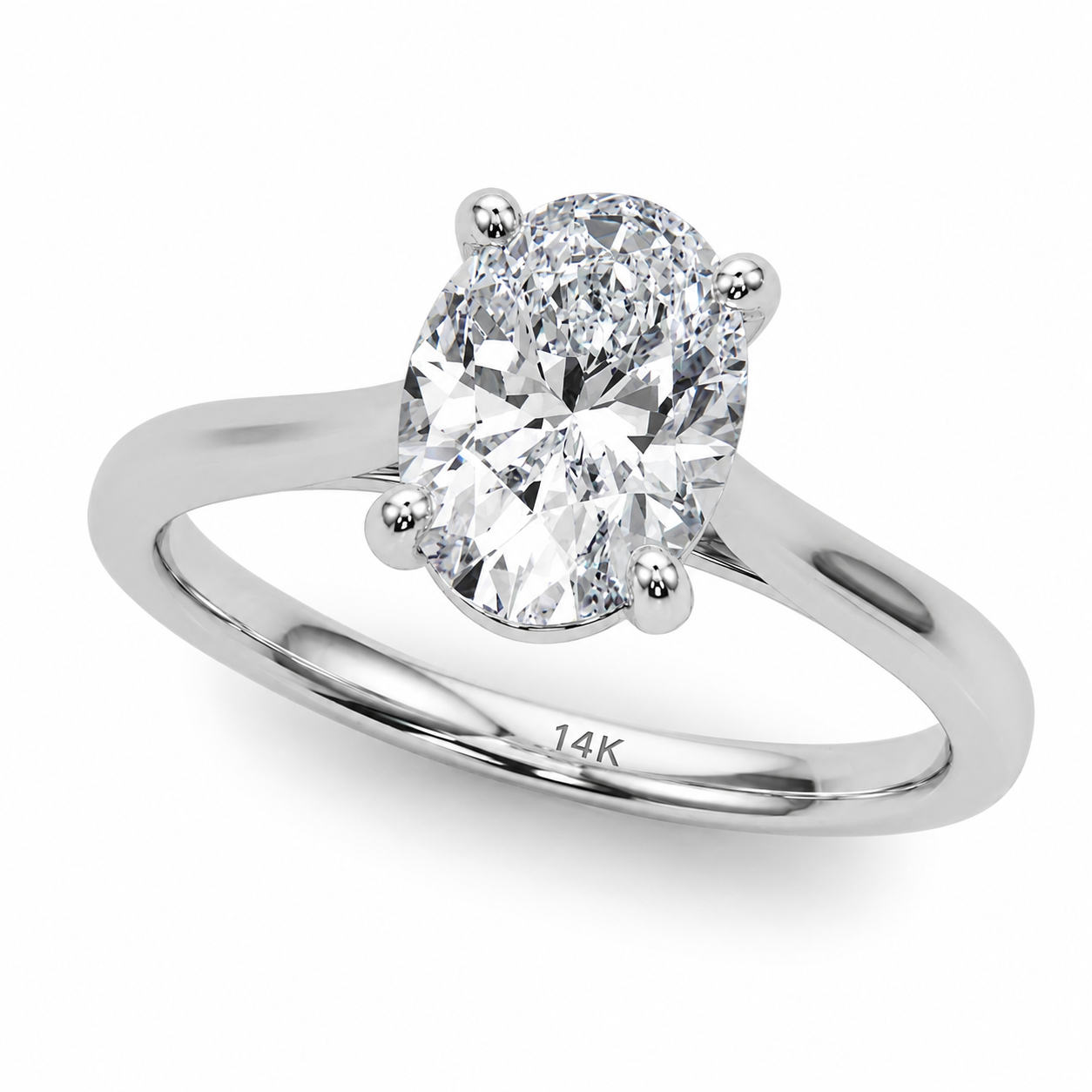
Kohinoor Gems Recommendation
Explore this piece in the Kohinoor Gems store — lab-grown diamonds, free shipping over $250 and code WELCOME10 for 10% off your first order.
View in Store14K gold
14K is one of the most popular choices for fine jewellery, particularly in the United States. It offers a good balance between durability, colour and price, and is a common choice for engagement rings and everyday pieces.
18K gold
18K gold has a richer, warmer colour because of its higher gold content. It is softer than 14K, so it can scratch or wear more easily, but it is often chosen for its colour and perceived quality. It generally costs more than 14K and may suit pieces worn less roughly.
How does karat affect colour?
Yellow gold shows more colour as the karat increases. White gold is made by alloying gold with white metals, and is usually plated with rhodium for a bright, white finish, which can wear over time and may need to be re-plated. Rose gold gets its pink tone from copper. Colour differences between karats are subtle, but 18K tends to look richer than 10K.
Durability and wear
Higher karat does not mean stronger. In fact, higher karat gold is softer. For jewellery that takes a lot of knocks, such as a ring worn every day, 14K may be more practical than 18K. For earrings and pendants that are less exposed to wear, 18K may be a good choice.
Sensitive skin
Reactions are most often caused by other metals in the alloy, such as nickel, rather than gold itself. If you have sensitive skin, ask what alloy metals are used and look for nickel-free options. Higher karat gold has less alloy, which can help, but check the specific piece.
Price
More gold means a higher price. A piece in 18K will usually cost more than the same design in 14K or 10K, though the final price also depends on weight, diamonds, design and craftsmanship.
How to read gold stamps
Gold jewellery is often stamped with a mark that shows its purity. You may see 10K, 14K or 18K, or a number showing parts per thousand, such as 417, 585 or 750. A stamp of 585 means 58.5 percent gold, equal to 14K, and 750 means 75 percent gold, equal to 18K. Platinum is often marked 950 or PT950. In the United Kingdom, hallmarking by an assay office is a legal requirement for gold above certain weights. Stamps are a useful clue, but they should be backed by clear information from the seller.
Which karat should you choose?
- Choose 10K if durability and budget are the priority.
- Choose 14K for a balance of colour, strength and price.
- Choose 18K if you prefer a richer colour and are happy to take extra care.
Look after your gold
Remove jewellery before heavy work, clean it gently and store pieces separately. Our guide to caring for gold and diamond jewellery explains how.
Compare in practice
Seeing the same design in different karats can help. Browse our gold jewellery to compare options.
Frequently Asked Questions
Answers from the Kohinoor Gems gemology desk.
Is 18K gold better than 14K?
It has more gold and a richer colour, but it is softer. Which is better depends on how you will wear it.
Will gold tarnish?
Gold does not tarnish, but the other metals in the alloy can cause some discolouration over time.
Is 24K gold used for jewellery?
It is rarely used for everyday jewellery because it is very soft.