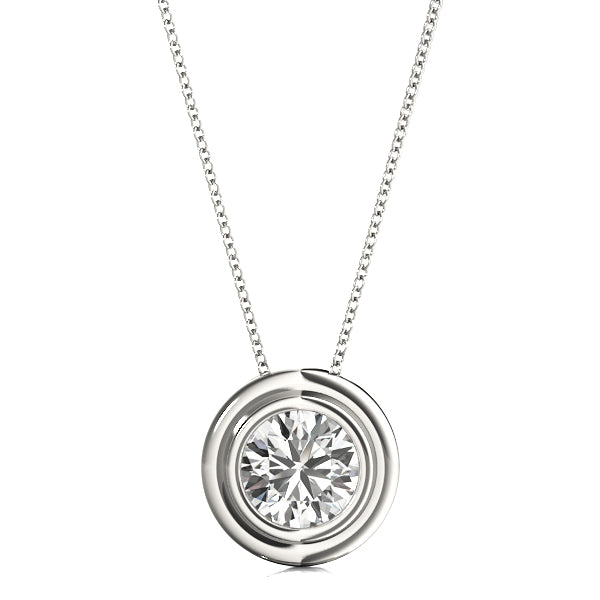
How to Layer Diamond Necklaces: A 2026 Styling Guide
 Isabella Navarro
October 12, 2026
8 min read
1 views
Layering necklaces is the single easiest way to look styled rather than dressed. Done well, a layered stack reads as one considered statement; done badly, it reads as a tangle of competing metal. The difference comes down to four variables — chain length, pendant placement, metal tone and weight. Here is the 2026 method US stylists are using, explained step by step.
The One Rule That Makes Layering Work
Every layer must sit in a different plane. If two chains rest at the same height, their pendants collide and the stack looks accidental. Aim for a minimum of two inches of separation between each chain so the stones catch light independently and never overlap.
Build the Base: Chain Length Combinations
| Stack | Lengths | Effect |
|---|---|---|
| Two-layer classic | 16 in + 18 in | Clean, everyday, works on every neckline |
| Two-layer balanced | 18 in + 20 in | More relaxed; flatters boat and crew necks |
| Three-layer statement | 16 in + 18 in + 20 in | Editorial and intentional; best with a plain top |
| Long-and-short | 18 in + 30 in | Modern contrast; a pendant plus a fine long chain |
Start with two chains, live with them for a week, then add the third only if you find yourself wanting more. Most people never need a fourth.
Place Pendant Pieces Deliberately
A single pendant on the shortest chain anchors the eye; keep the longer chains plain or use a bar or a small charm. If you want two pendants, make them clearly different in size — a 0.10 ct accent above and a 0.50 ct solitaire below reads as a hierarchy, while two similar stones look like a mistake.
- Put the smallest pendant highest and the largest lowest.
- Keep a gap of at least two inches between pendants so they rest flat, not stacked.
- Use a bezel setting for the layer closest to your collarbone — it will not snag on clothing or other chains.
The full range of lengths and settings is in the diamond necklace collection.
Mixing Gold Tones Without a Wreck
Mixing yellow gold, white gold and rose gold is firmly in style for 2026, but it needs a common thread. Pick one tone as the anchor and keep it to at least 60% of the stack; use the second tone for a single accent chain so the eye still has a place to rest. Repeating a motif — all fine link chains, or all delicate stones — is what keeps a mixed-metal stack looking deliberate rather than busy.
Weight and Link Scale
Thin chains layered with thin chains; a thick chain should stand alone or anchor a stack as the base layer. As a practical guide, keep individual chains under about 2 mm width for a layered look, and reserve anything heavier for a solo statement. Heavier links sit lower and pull finer chains tighter, which is the most common cause of a stack that looks cramped rather than effortless.
Dress Your Neckline, Not Just Your Neck
| Neckline | Best stack |
|---|---|
| T-shirt / crew | 18 in + 20 in, one pendant |
| V-neck | 16 in + 18 in, pendant on the lower chain |
| Buttoned shirt | 20 in solo or 18 in + 22 in |
| Strapless or halter | 16 in choker plus one 18 in pendant |
| Turtleneck | Long 24–30 in chain, pendant lowest |
Keeping a Stack Tangle-Free
Layered chains tangle because they are stored together. Hang the stack on separate hooks or lay the chains flat in divided slots, fasten every clasp before storing, and check the thinnest chain for wear every few months since it carries the same load as the heaviest. Clean each piece individually with warm water, mild soap and a soft brush, then dry fully before the next wear.
The Short Version
Buy two chains two inches apart, choose one pendant as the focal point, and keep every other layer plain. That is the whole method. Shop lengths and stones in the diamond necklace collection, and for more styling guidance browse the Kohinoor Gems blog.