How to Buy Gold Jewellery: Karats, Hallmarks and Value

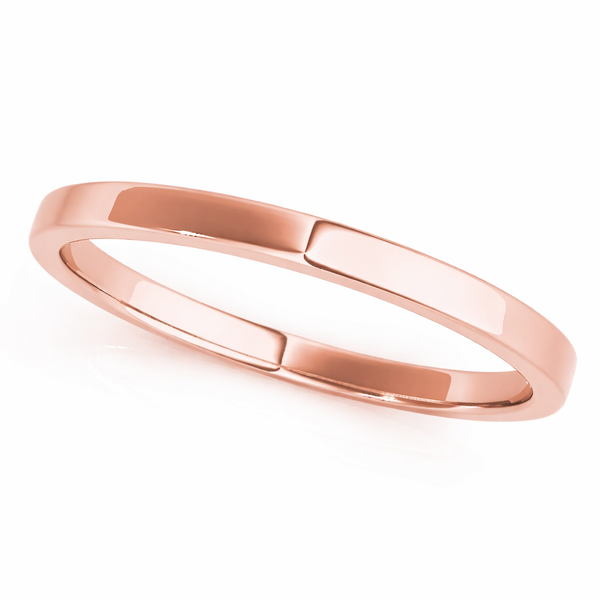
Knowing how to buy gold jewellery is one of the most valuable skills a fine jewellery lover can develop. Gold is beautiful, timeless and carries real intrinsic worth — but the difference between a treasured heirloom and a short-lived fashion find comes down to a few fundamentals: karat, hallmark, construction and weight. Whether you are choosing your first ring or expanding a collection, understanding these elements lets you buy with genuine confidence and get true value for your money. A classic 14k rose gold plain band from Kohinoor Gems is a perfect example of solid fine gold done right.
Understanding Gold Karats
Karat tells you how much pure gold is in a piece. Pure gold is 24k — meaning 24 parts gold out of 24. Because pure gold is too soft for everyday jewellery, it is alloyed with other metals — commonly silver, copper, nickel or palladium — to create stronger, more durable gold. That alloying produces the karat grades you see in stores.
The most common grades are 24k, 22k, 18k, 14k and 10k. Higher karat gold has more gold and a richer, deeper colour but is softer; lower karat gold is more durable and affordable but contains less gold. Choosing the right karat depends on how you will wear the piece, your personal style and your budget.
For most fine jewellery, 14k strikes the ideal balance between gold content, durability and cost. It is the workhorse of modern fine jewellery, ideal for daily rings, earrings, necklaces and more. The fine gold collections at Kohinoor Gems are built around this sensible, high-value standard.
Karat Comparison at a Glance
Each karat serves a distinct purpose, and understanding the trade-offs helps you match the gold to the occasion. The table below summarises the key differences at a glance.
| Karat | Purity | Durability | Colour | Best Use |
|---|---|---|---|---|
| 24k | 99.9% (999) | Very soft | Deep yellow | Investment bars, cultural pieces |
| 22k | 91.6% (916) | Soft | Rich yellow | Traditional, heirloom, less daily wear |
| 18k | 75% (750) | Moderate | Warm gold | Fine diamond settings, special occasion |
| 14k | 58.5% (585) | Good | Balanced gold | Daily wear, engagement, versatile |
| 10k | 41.7% (417) | Most durable | Paler gold | Affordable, hard-wearing pieces |
There is no single "best" karat — only the best for your needs. If you want maximum gold content and wear jewellery occasionally, consider 18k or 22k. If you want a piece you can live in daily, 14k is the smart, resilient choice that combines beauty with real value, which is exactly why it dominates fine jewellery.
Yellow, White and Rose Gold
Beyond karat, gold comes in several colours determined by the alloy mix. Yellow gold, alloyed with silver and copper, retains gold's natural warm tone and needs no plating. White gold, alloyed with palladium or nickel and usually rhodium-plated, offers a bright, silvery finish that complements diamonds. Rose gold, alloyed with a higher proportion of copper, has a distinctive pink blush.
Your choice of colour is largely personal, but it is worth considering practicality. Yellow gold requires almost no maintenance. White gold, when rhodium-plated, may need periodic replating to restore its bright finish. Rose gold needs no plating and is popular for its romantic, warm hue. Each colour also flatters different skin tones, so trying pieces on helps you decide.
Colour also dramatically changes a design's mood — a white gold diamond ring looks crisp and contemporary, while the same design in rose gold feels softer and more romantic. Explore how colour transforms fine pieces in our reflections on metal trends and upcoming designs.
Solid vs Vermeil vs Plated vs Filled
Understanding how gold jewellery is constructed is essential to judging its value. Solid gold is made entirely of a gold alloy through and through, carrying intrinsic value and outstanding durability. Gold-filled jewellery has a thick layer of gold bonded to a base metal, offering better longevity than plating at a lower price. Gold vermeil is a thicker plating over sterling silver, and gold-plated pieces have a thin surface layer of gold over a base metal.
The differences matter most for longevity and value. Solid gold keeps its worth and finish over years, even decades, of wear. Plated and filled pieces can lose their gold layer over time as it wears, and their base metal holds little resale value. For meaningful, long-lasting jewellery, solid gold is the clear investment.
Vermeil and filled pieces can be lovely, affordable options for trendy, occasional wear. But when you are buying a piece to treasure, sell or pass down, solid gold is the only real choice — the standard Kohinoor Gems holds to in each fine gold piece.
Hallmarks and Stamps
A hallmark is your guarantee of authenticity. Reputable jewellers stamp their solid gold pieces with the karat (such as 14k or 585) and, in many regions, an assay office mark and maker's mark. These stamps certify the fineness so you know exactly what you are buying. Learning to recognise them turns you into a confident, informed buyer.
The numbers you will see include 999 (24k), 916 (22k), 750 (18k), 585 (14k) and 417 (10k). Some pieces are also marked with the maker, letting you trace provenance. If a piece has no stamp, ask the seller for certification or documentation before buying — a hallmark is the industry's way of standing behind the metal.
When you inspect a piece, look on the inner band of a ring, the barrel of a clasp or the post of an earring. If you are unsure, a trusted jeweller's documentation is invaluable. Cohenne, solid gold pieces from Kohinoor Gems are hallmarked so you can buy with complete confidence.
Weight and Value
The value of solid gold jewellery is closely tied to its weight, because gold is priced per gram or per troy ounce in the global market. A heavier solid gold piece contains more gold and therefore holds more value. Understanding weight lets you judge whether the price of a piece reflects its metal content and craftsmanship rather than only its design.
When you hold two otherwise similar pieces, the heavier one typically has more gold and higher intrinsic value. This is why quality, and not simply style, matters: a substantial, well-made piece carries more of what makes gold jewellery a lasting asset. Design, diamonds and gemstones add further value on top of the gold weight.
Before paying, confirm the piece's karat and ask about its weight. This lets you gauge fair value against the current gold price and protects you from overpaying. It is one of the simplest and most effective habits of a savvy fine jewellery buyer, and it applies across the bracelets, necklaces and rings you may consider.
Buying Tips and Budget
Approach your gold purchase with a clear plan and you will buy with confidence. First, decide your purpose: is the piece for daily wear, a special occasion, or an heirloom investment? Daily wear calls for durable 14k; occasional pieces might favour 18k gold content. Next, choose solid gold over plated when the piece is meant to last.
Set a realistic budget based on the karat and weight that suit your goals. Remember that 14k gives you an excellent balance — real gold value with the durability for daily life — often at a more accessible price than 18k. Prioritise the pieces you will actually wear, since cost per wear is the truest measure of value.
Finally, buy from a jeweller who documents karat, weight and hallmark. This transparency is the hallmark of a reputable shop and the surest way to protect your purchase. For a solid, wearable foundation, a fine gold band is a timeless starting point.
Caring for Your Gold Jewellery
Gold rewards simple, gentle care. Store pieces separately in soft pouches or lined boxes to prevent scratches, and remove them before swimming, heavy exercise or applying lotions and perfumes. Clean gold with warm soapy water and a soft brush, rinse thoroughly and dry with a soft cloth. For white gold, be aware that rhodium plating may need occasional refreshing.
Because gold is relatively soft, avoid wearing it during activities that could scratch or bend it, especially when choosing lower-karat pieces for hard use. Have settings and clasps checked periodically. With these small habits, your gold jewellery retains its glow and value for decades.
Knowing how to buy gold jewellery well — understanding karats, hallmarks, construction and weight — is the surest path to pieces you will love and treasure. Discover confident, quality fine gold pieces from Kohinoor Gems, or browse our full jewellery guide blog for more buying wisdom. Find the gold piece that is right for you.