Your First Diamond: A Complete Buying Guide

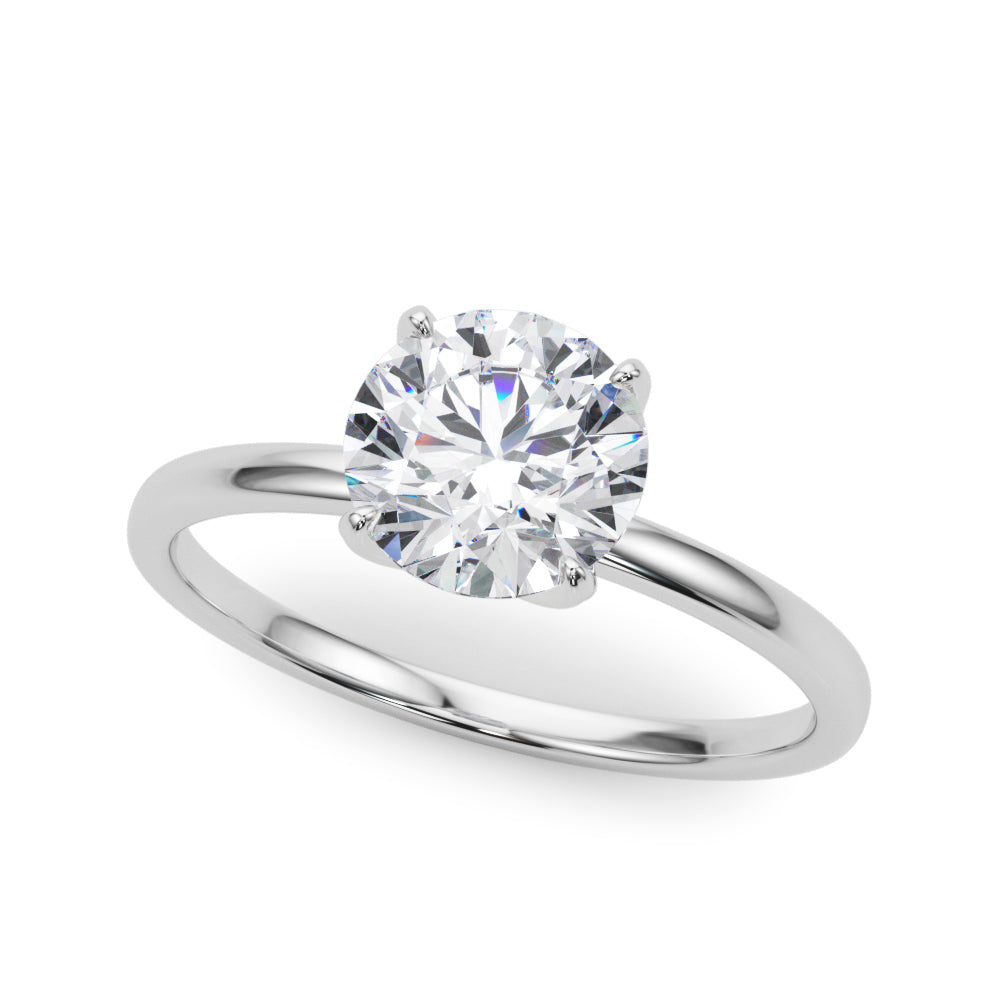
Buying your first diamond purchase is an exciting and meaningful milestone, whether it is an engagement ring, a gift to yourself or the start of a fine jewellery collection. The process can feel overwhelming at first, but it becomes clear and even enjoyable once you understand a few essentials: how to set a budget, what the 4Cs really mean, which setting and metal to choose, and how certification protects you. This guide walks you through each step so you can shop with genuine confidence and choose a diamond you will treasure for a lifetime. A classic 0.50ct solitaire in 14k white, rose or yellow gold from Kohinoor Gems is an ideal place to begin.
Decisions Before You Buy
The best first diamond purchases begin long before you compare stones. Set a realistic budget that fits your life — there is no prescribed amount, only what feels right for you. Then decide the purpose of the piece: an engagement ring, a personal treat or a milestone gift each guides different choices. Knowing the occasion helps you prioritise style, size and formality.
Next, think about style. Do you prefer a classic single solitaire, a halo of smaller stones or a simpler band? Consider the wearer\'s taste, their everyday wardrobe and how much jewellery they normally enjoy. A piece that matches daily life is far more likely to be loved and worn.
Finally, decide when to shop. Fine jewellery purchases benefit from unhurried browsing — comparing several stones relaxes pressure and improves your sense of value. With these foundations set, you can move into the technical details with calm confidence and shop the fine diamond ranges at Kohinoor Gems.
The 4Cs for Beginners
The 4Cs — cut, colour, clarity and carat — are the universal language of diamond quality. Understanding them lets you judge a diamond\'s value and choose what matters most to you. Many first-time buyers are surprised to learn that size is not the most important factor; how the diamond is cut generally affects its beauty more than anything else.
Cut describes how well a diamond\'s proportions and facets return light. A well-cut diamond is brilliant and fiery; a poorly cut one looks dull even if large. Cut is widely considered the most important of the 4Cs. Colour measures how colourless a diamond appears, from rare colourlessness to noticeably warmer tones. Clarity refers to the absence of internal inclusions and surface blemishes, most of which are invisible without magnification. Carat is simply weight, which mostly drives size and price.
For most first purchases, prioritise cut first, then balance colour, clarity and carat within your budget. This approach gives you the most beautiful stone for your money — space to keep your priorities straight as you compare options.
The 4Cs at a Glance
Here is a simple overview of the 4Cs and how to think about each when starting out.
| C | What It Means | Beginner Priority |
|---|---|---|
| Cut | Proportions and facets that govern brilliance | Highest — drives fire and beauty |
| Colour | How colourless the diamond is | Choose a near-colourless grade you can\'t see |
| Clarity | Absence of inclusions and blemishes | Choose eye-clean; no need for flawless |
| Carat | Weight, mostly seen as size | Balance with budget after cut |
For many first-time buyers, an eye-clean stone of near-colourless grade with an excellent cut delivers outstanding beauty at a sensible price. By avoiding the obsession with maximum carat or flawless clarity, you can afford a better-cut, more brilliant diamond that looks far more expensive than it is.
Choosing the Right Setting
The setting holds and frames your diamond, and it dramatically affects the overall look and security of the piece. Prong settings, the classic choice, lift the diamond for maximum light and brilliance, with four or six prongs securing the stone. Bezel settings wrap a rim of metal around the diamond for a sleek, modern silhouette and excellent protection. Halo settings surround a centre stone with smaller diamonds for extra sparkle and presence.
Your choice should balance style and practicality. Prongs maximise brilliance but leave the stone more exposed; bezels offer maximum security with a clean line; halos add glamour and often make a smaller centre stone appear larger. For an active lifestyle, a bezel or low-profile prong setting is a wise, secure choice.
A solitaire in a well-made prong or bezel setting is the timeless first choice — simple, elegant and endlessly wearable. Explore curated options across the fine diamond rings at Kohinoor Gems to see how settings change a diamond\'s character.
Choosing the Metal
The metal of your setting affects both the look of the diamond and the longevity of the piece. Solid gold is durable and holds value, available in yellow, white and rose. Platinum is exceptionally strong, naturally white and hypoallergenic, making it a premium choice for engagement rings, though it costs more.
White gold offers a bright, silvery finish that makes diamonds appear more colourless and is a popular, modern option. Yellow gold adds warm contrast and a classic, romantic feel. Rose gold, with its copper-rich pink tone, brings a soft and contemporary warmth. Each flatters different skin tones and changes the mood of the same ring.
Consider maintenance as well as beauty: white gold may need periodic rhodium replating, while yellow and rose gold require less upkeep. For a balance of durability, value and everyday beauty, solid 14k gold is a dependable choice for most first purchases.
Natural vs Lab-Grown Diamonds
One of the most important modern decisions is whether to choose a natural or lab-grown diamond. Both are genuine diamonds with identical physical and chemical properties — the same hardness, brilliance and fire. The difference lies in origin: natural diamonds formed beneath the Earth\'s surface over geological time, while lab-grown diamonds are created in controlled environments that replicate those conditions.
Lab-grown diamonds are typically more affordable than comparable natural stones, so they let buyers access larger carat weights and higher grades within a modest budget. They are also chosen for ethical and sustainability preferences. Natural diamonds appeal to those who value a stone formed over millions of years and traditional provenance.
Neither is inherently better; the right choice depends on your budget, values and preferences. Both require evaluation by the same 4Cs. For many first-time buyers, lab-grown diamonds open the door to fine diamond ownership with outstanding value, which is why Kohinoor Gems offers both.
Certification and Grading Reports
A grading report from a respected independent laboratory documents your diamond\'s cut, colour, clarity and carat, giving you objective proof of quality and protecting its resale value. For a significant purchase, certification is strongly recommended — it removes guesswork and ensures you know exactly what you are buying.
Well-known diamond grading laboratories, including the GIA and IGI, are widely recognised for reliable, consistent evaluations. When reviewing a report, confirm that the documented grades match your priorities — an excellent cut with colour and clarity within your chosen range. Ask about the certificate with any piece you consider seriously.
Certification also supports authenticity. Alongside the report, your jeweller should provide clear documentation of the metal karat and hallmark. Together these protect your purchase and give you total confidence. Our guide to quality helps you read these grades comfortably.
Protecting Your Purchase
Guarding your first diamond begins at the point of sale. Buy from a reputable jeweller, review the grading report, and confirm the karat, weight and hallmark of the setting. Keep your receipt and all documentation in a safe place. For significant pieces, consider arranging an appraisal for insurance and have the piece insured for replacement value.
Also think about security at home. Store your diamond separately in a soft pouch or lined box, and avoid leaving it in obvious, accessible places. Diamonds are hard but can be chipped if struck sharply, so remove your ring during heavy manual work, sports or activities with hard impact.
Finally, register any warranty offered and note the return or exchange policy. These practical steps mean your first diamond purchase is not only beautiful but fully protected — an investment held with confidence. For guidance on choosing thoughtful jewellery, our jewellery gifting guide is a helpful companion.
Caring for Your Diamond
Diamonds are the hardest natural material, but they still need considered care to stay beautiful. Clean your diamond regularly with warm soapy water and a soft brush, rinse thoroughly and dry with a soft cloth. Avoid harsh chemicals, and remove the piece before swimming, applying lotions or heavy exercise so grime and oils do not dull its brilliance.
Have the setting inspected periodically by a jeweller so prongs remain secure and the diamond stays firmly in place. Store it separately to avoid scratching other jewellery. With these simple habits, your first diamond retains its fire and sparkle for decades.
Your first diamond purchase begins a lifelong appreciation of fine jewellery. By understanding the 4Cs, choosing a thoughtful setting and metal, and protecting your investment with certification, you will choose a piece to treasure. Discover a considered collection of fine diamond jewellery at Kohinoor Gems, or read more in our full jewellery blog. Find the first diamond that is perfectly yours.